• Home
  • 0
Football Transfer News, Scores & Results
keep your memories alive
Messi

How Many Champions League Has Lionel Messi Won | In-Depth Guide 2024

by Alex Mathews June 4, 2024
written by Alex Mathews

Lionel Messi has built up his career in such a legendary way! With incredible accuracy playing football and even the most absurd goals, dribbling unmatched, vision to see things happening on the field before it did, Messi is a name to be reckoned with in the records of football.

His performances in the UEFA Champions League have been perhaps some of the most unforgettable among the countless accolades and titles he has accrued.

So exactly how many Champions Leagues has Lionel Messi won by June 2024? Let’s explore!

The Making of a Legend

Lionel Messi’s journey as an all time great, how did it start from Barcelona? 

Messi has been a cornerstone of Barcelona’s domestic and international success since making his debut for the first team in 2004.

His output in the Champions League, the top club competition in Europe, stands out the most.

Total Amount of Titles Messi Has Won Till Now
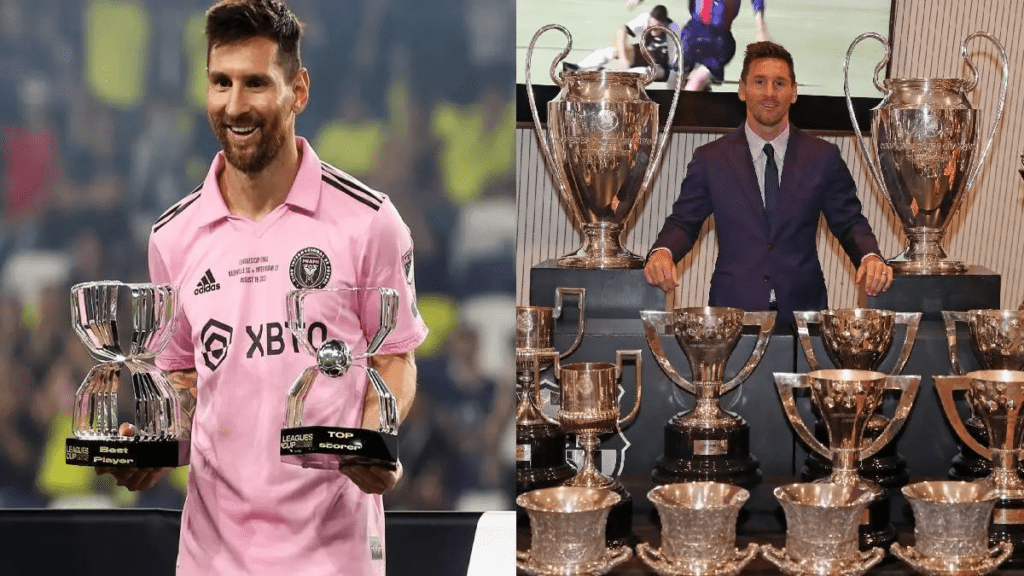
Image Credit: news24online

4 titles with FC Barcelona:

  • 2005–06: Messi and the team were involved but due to injury, Messi failed to get his career going yet.
  • 2008-2009: Came good in the final, delivered in patches through the tournament.
  • 2010-2011: Messi again played a key role and scored Barcelona’s clinching third goal in their win over Manchester United in the final.
  • 2014-2015: Barcelona win the treble with major help from Rakitic.

1 title with Paris Saint-Germain (PSG)

  • 2023-2024: Delivered stellar performances leading PSG to victory in the Champions League.

Champions League Titles Before 2024

But, before we get into the recent heroics from Messi in the Champions League, there has been a haul of competition victories for the Argentine until 2018. Messi had by that time already claimed the Champions League on four occasions with Barcelona:

  • 2005-06: Barcelona beat Arsenal in the final 2-1. Messi, though, missed the final through injury but was involved in that squad of course.
  • 2008-09: Manchester United 0-2 Barcelona. Even Messi topped off the memorable performance with a header goal.
  • 2010-11: In a repeat of the 2009 final, Barcelona defeated Manchester United 3-1. With a key goal from Messi to boot, another notch on the legend of Messi.
  • 2014-15: Barcelona 3-1 Juventus: Final It was Messi’s performance throughout the tournament that was decisive.

In 2018 Messi had already long sealed his legacy as one of the Champions League greatest ever players. But that was not the end of his story.

Messi’s Champions League Journey from 2018 to 2024
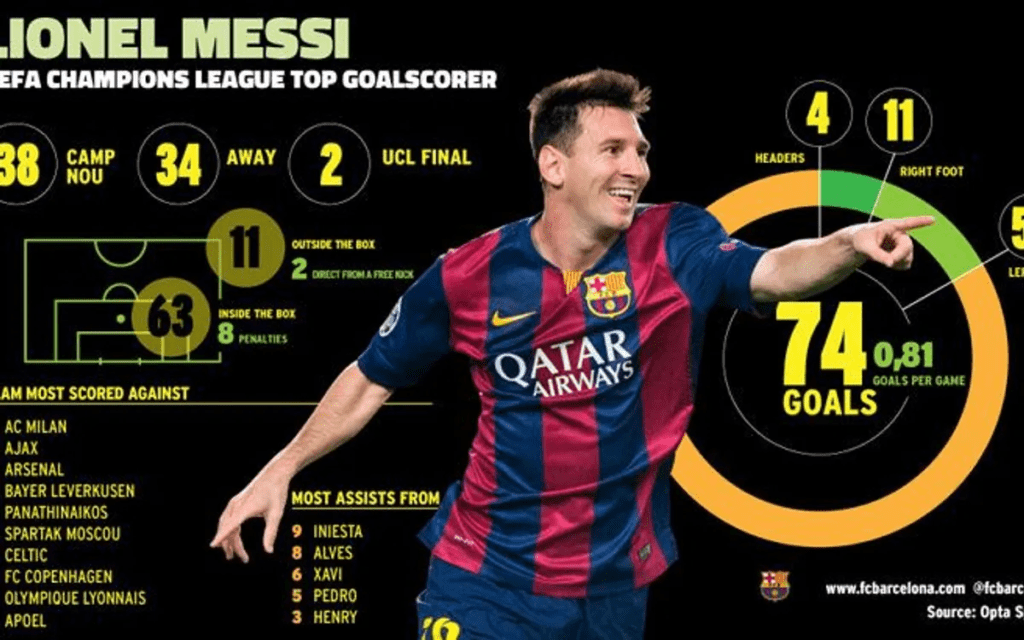
Image Credit: fcbarcelona

2018-2019 Season

Barcelona last reached the semi-finals in the 2018-2019 season, when they were sensationally defeated by Liverpool.

Messi still finished the tournament as top scorer, more impressive form from the Argentine.

2019-2020 Season

Shockingly, Barcelona were humiliated 8-2 in the quarter-finals by Bayern Munich.

That defeat signalled the end of an era for sure, and was the hammer that started the nails on events that would eventually spell Messi’s departure.

2020-2021 Season

In 2020 Messi moved to Paris Saint-Germain (PSG). Their march was brought to an end in the semi-finals, however, by the might of Manchester City.

While it was an admirable showing from Messi, the final reward remained elusive.

2021-2022 Season

In the 2021-2022 season, however, the appearance of Messi was perhaps the glimmer of light leading to the finals.

In the final they defeated Chelsea 2–1. The victory meant Messi claimed an unprecedented fifth Champions League success, and first with PSG.

2022-2023 Season

Paris Saint-Germain came up short in the 2022-2023 season, knocked out in the quarters.

That year was no different for Messi as he continued to play out of his skin, but the team were unable to emulate the achievements of the past.

2023-2024 Season

It was to be a record-breaking 2023/24 season for Messi and PSG.

On their way to the final, they triumphed through a difficult route including a match up against Manchester City.

PSG won 3-2 in an epic game, sealing Messi his sixth Champions League final.

Comparing Messi to Other Football Legends

Few names incite the same level of respect of adoration as those of footballing legends, and amongst that group is Lionel Messi.

Though, given Messi has been compared to other footballing greats such as Cristiano Ronaldo, Pelé and Diego Maradona during his illustrious career.

None of these players has affected the beautiful game quite like each of those mentioned above, but how does Messi’s record compare to theirs?

Cristiano Ronaldo
Im,age Credit: rollingstone

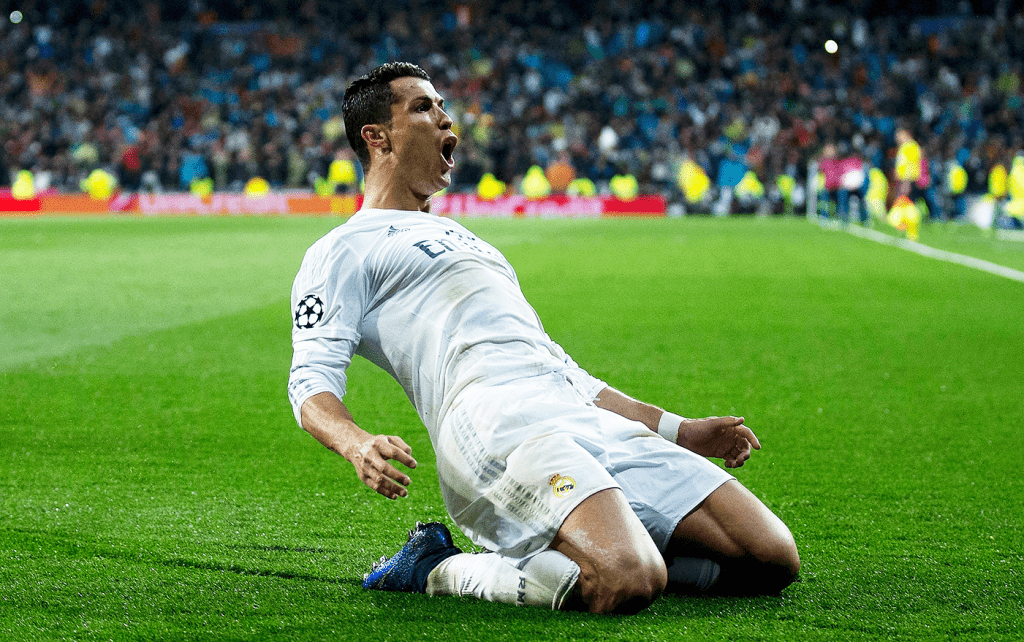
Another one of Messi’s great opponents, Cristiano Ronaldo, has similarly left a lasting mark on the Champions League. 

Ronaldo enjoys five Champions League titles by June 2024 with all of them coming in his stints at Manchester United and Real Madrid.

Each player has set the standard for the other throughout their careers and Ronaldo’s athleticism, adaptability and knack of getting on the scoresheet have secured his place as one of the game’s greats. 

It is a debate for the ages, with Messi’s incredible playmaking abilities and vision on the field playing to his strengths, whereas Ronaldo’s physicality and clinical finishing make for a great argument on the flipside of things.

Pelé
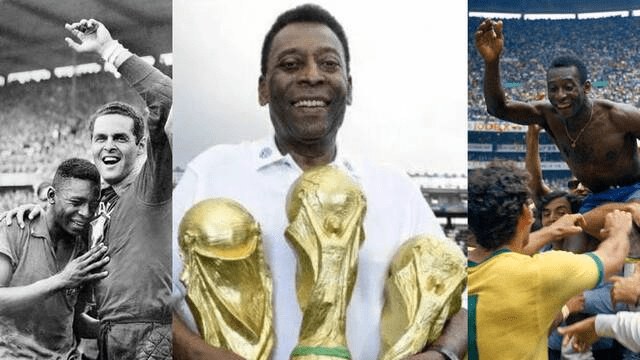
Image Credit: qkbestet

One of the greatest footballers of all time, Pelé also spent most of his career at Santos FC and New York Cosmos. Pele, who never appeared in the Champions League, has three FIFA World Cup titles with Brazil, a record only Italy, Germany and Argentina have equaled to his name that he can lay claim to as well.

The skill, charisma, and goal-scoring ability of Pelé have seen him become a genuine global icon.

Although Messi has one World Cup win (if he triumphs in 2022 final), Pelé’s lack of European club honours, especially in the Champions League, will see the Brazilian inevitably play second fiddle to the Argentine in terms of performances in top-tier continental club competitions.

Diego Maradona
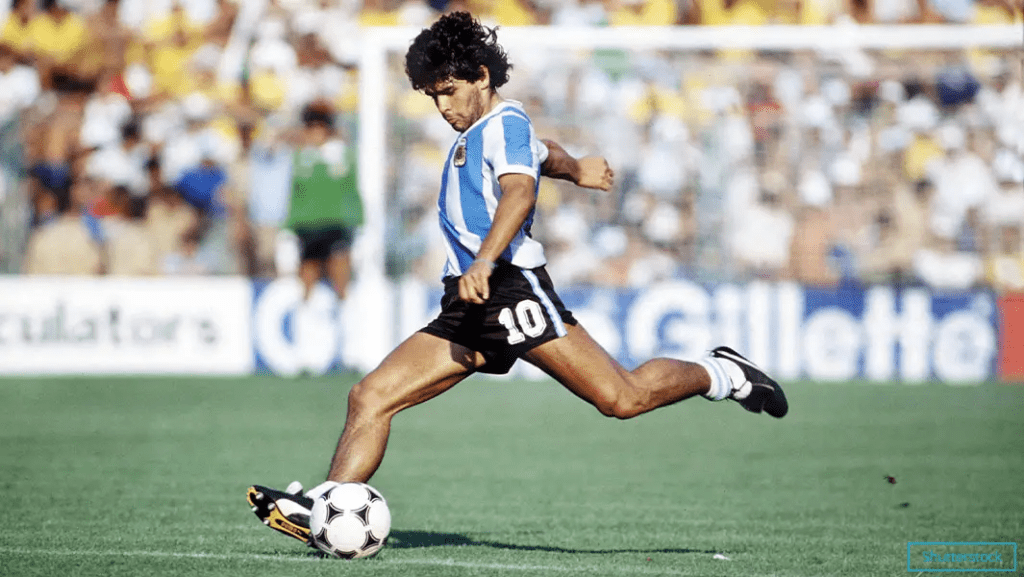
Image Credit: guinnessworldrecords

Messi is often mentioned in the same way as another Argentine legend in Diego Maradona. 

Many thanks to his performance at the 1986 World container, when he led Argentina to winning, Maradona’s heroics have actually seen him cherished in the annals of football. 

Maradona succeeded at club level, but there were no Champions League crowns in his cabinet.

His brilliance on the field is frequently compared to Messi’s level of sustained, sustained greatness over time. 

Maradona may have been a ball wizard but Messi shows magic and persistence over two decades literally, crossing generations.

Johan Cruyff
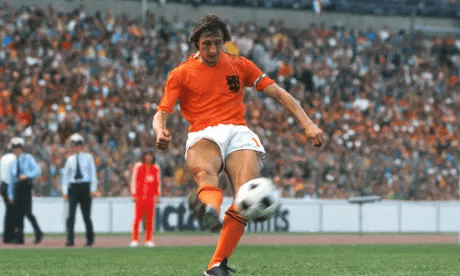
Image Credit: theguardian

Johan Cruyff influenced the game from his days as a player to his time as a manager and tactician. 

Cruyff helped lead Ajax to three European Cups in the early 1970s and is the godfather of “Total Football,” a methodology of play that has influenced modern styles.

The idea of football that reached the school of thinking has definitely helped Messi and it was a concept that Crus, a student of Cruyff, helped him transcend. 

Although Cruff’s wins were quite close to him, the number of times Messi has remembered with his individual games continues to cement his position in a league of very high quality.

Conclusion

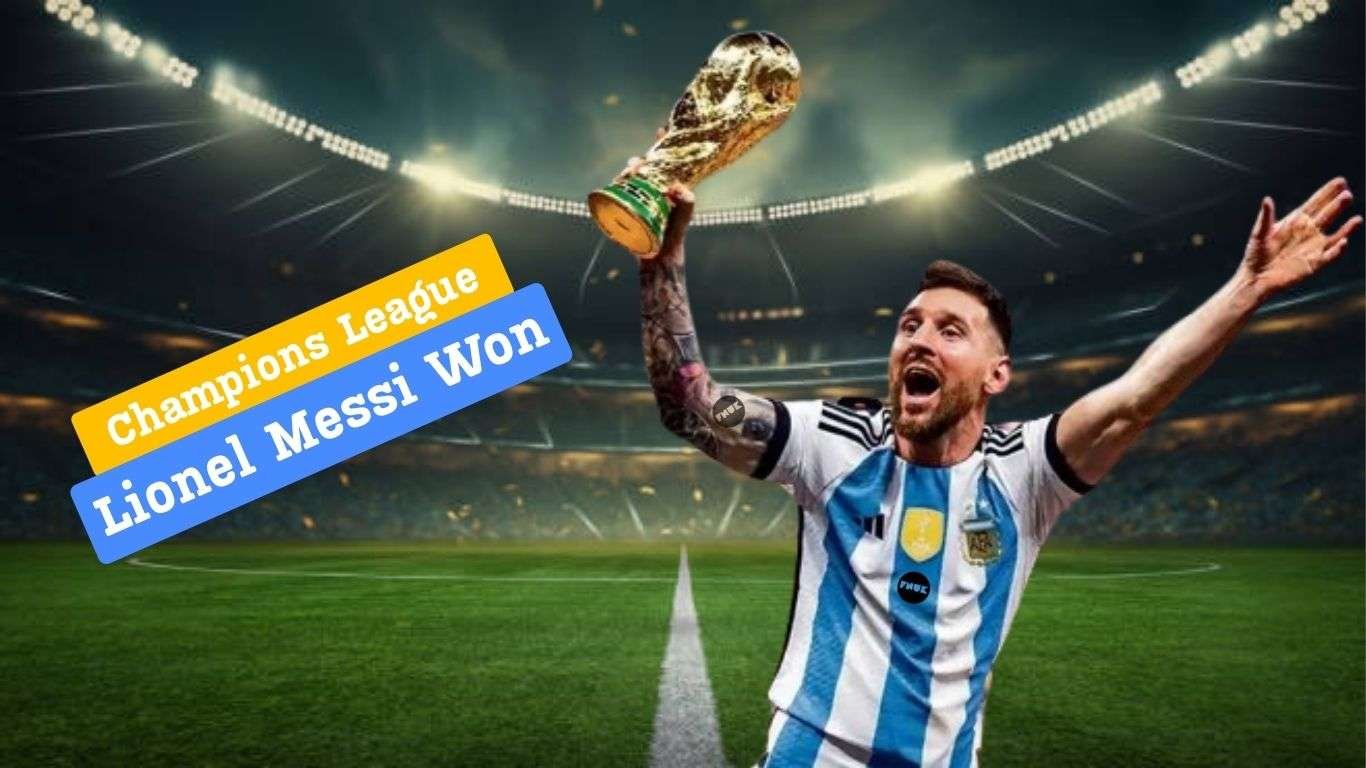
Lionel Messi’s six Champions League crowns, dating back to his opening years with Barcelona through to his time at PSG, highlight his spectacular influence on the game.

His tendency to deliver on the big stage, consistently, without fail, leading his sides to victory time and time again, has just about cemented his place in the conversation of the best who have ever lived.

If you are a football lover, it will be the best place to get to know everything about Messi and many more football legends.

Don’t miss the exclusive content only available there. Start your free 5-day trialFollow us on Twitter for the latest updates!

Join a passionate community of soccer fanatics, breed your talent, and analyse your favourite game with us, as we at SportsRush bring you all the latest updates. 

June 4, 2024 0 comments
0 FacebookTwitterPinterestEmail
Football News

Tottenham’s Yves Bissouma Robbed in Cannes: A Detailed Account

by Alex Mathews June 3, 2024
written by Alex Mathews

The 24-year-old Brighton midfielder, Tottenham’s Yves Bissouma was Robbed in Cannes, France.

The hero of football and his wife were ambushed in broad daylight, and were lined up outside a top hotel, which has led to concerns throughout the football community.

The incident, its aftermath, and what it could mean for player safety are further detailed in this article.

The Incident

Image Credit: londonworld

The following morning at 4 AM Yves Bissouma and his partner turned up at the high-profile five-star Majestic Barriere hotel. 

Two unrelated hoodies jumped out as they approached the hotel entrance.

Leading with admiration, these men had started a conversation with Bissouma to then incept into speaking with him and his wife with ease. 

Then they quickly got hold of Pepper gas and attacked Bissouma making him suffer and temporarily blind.

The gas deployment was painful. Mrs Bissouma looked on in horror as the robbers carried out the breathtaking heist, leaving Bissouma unable to visit her and making off with a watch worth £260,000, he said.

A significant targeted burglary This does seem to be a targeted theft, with the robbers seemingly having the knowledge of Bissoumas possessions.

The method in which the raid was carried out hints at a plan meticulously executed by crooks who drove off in a strategically-parked car after taking the valuable item.

Immediate Aftermath

Although deeply shaken, Bissouma and his wife were not physically harmed. They returned to London soon after to recover. 

Despite the trauma, Bissouma remains committed to his professional duties. 

Tottenham Hotspur has shown full support for Bissouma, ensuring he has the resources and backing needed during this difficult period.

Broader Trend of Targeted Attacks

This incident highlights a troubling trend where high-profile footballers are increasingly targeted by criminals. 

The allure of their expensive belongings and high net worth makes them prime targets. 

Bissouma’s ordeal mirrors similar attacks on other footballers, raising concerns about their safety off the pitch.

Community and Club Support

The football community has rallied around Bissouma, offering messages of support and solidarity. 

Tottenham Hotspur has been proactive in providing emotional and psychological support to Bissouma and his family. 

The club is also collaborating with local authorities to assist in the investigation and to enhance preventive measures.

Conclusion

Yves Bissouma robbed in Cannes – but how do you protect a high-profile target?

The ordeal was profoundly distressing, but the quick and supportive response from the football community, as well as Tottenham Hotspur, reinforced the importance of community and safety.

While a resolution between all parties is believed to be close, the hope is that the regularity of such threats will help to establish a stronger line of defense to shield footballers and their loved ones going forward.


June 3, 2024 0 comments
0 FacebookTwitterPinterestEmail
How To

How Long Is a Football Game | Advance Explanation 2024

by Alex Mathews June 2, 2024
written by Alex Mathews

Understanding a football game’s length can enlighten seasoned fans and curious newcomers. Whether you’re watching the N.F.L., college games, or other professional leagues, time can play a critical role in football. 

While the official playing time may be straightforward, numerous factors extend the game’s duration. This article dives into the specifics of game lengths, the influences that can lengthen or shorten the duration, and what to expect in the upcoming 2024 season.

Official Football Game Length

 Standard Duration of a Football Game in the UK

  • A standard football game lasts 90 minutes.
  • The game is divided into two halves of 45 minutes each.
  • There is a 15-minute halftime break between the two halves.
  • Additional time, known as injury or stoppage time, may be added at the end of each half to compensate for delays.
  • If the match is a knockout competition and a winner must be decided, extra time consisting of two 15-minute halves may be played.
  • If the score is still level after extra time, the match may be decided by a penalty shootout

Breakdown of Quarters, Halves, and Additional Time in Different Football Leagues

NFL (National Football League)

  1. Game Structure: The NFL consists of four quarters, each lasting 15 minutes. There is a 12-minute halftime break between the second and third quarters.
  2. Overtime: If the game is tied at the end of regulation time, a 10-minute sudden-death overtime period is played. If neither team scores, the game can end in a tie during the regular season.
  3. Timeouts: Each team is allowed three timeouts per half, and unused timeouts do not carry over to the next half.
  4. Two-Minute Warning: A stoppage in play occurs at the two-minute mark of each half, serving as an additional timeout.
  5. Play Clock: Teams have 40 seconds to snap the ball between plays, or 25 seconds following certain administrative stoppages.

College Football (NCAA)

  1. Game Structure: College football games are divided into two halves, each consisting of 30 minutes of game time. Each half is further split into two quarters of 15 minutes.
  2. Halftime: There is a 20-minute halftime break between the second and third quarters, allowing teams to regroup and strategize.
  3. Overtime: If the game is tied at the end of regulation time, teams play in an overtime format where each team gets a possession starting from the opponent’s 25-yard line. Overtimes continue until a winner is determined.
  4. Timeouts: Each team is granted three timeouts per half, and unused timeouts do not carry over to the next half or overtime.
  5. Two-Minute Warning: Unlike the NFL, there is no two-minute warning in college football. The clock management falls under standard stoppages for first downs, incompletions, and out-of-bounds plays.
  6. Play Clock: Teams have 40 seconds to snap the ball between plays, or 25 seconds following certain administrative stoppages, similar to NFL rules.
  7. Clock Stoppage: The clock stops when a player runs out of bounds, on incomplete passes, and after first downs, until the ball is set and ready for play.

Soccer (FIFA and Various Leagues)

  1. Game Structure: Soccer matches consist of two halves, each lasting 45 minutes, totalling 90 minutes of regulation time.
  2. Halftime: There is a 15-minute halftime break between the two halves, during which teams can rest and strategize.
  3. Additional Time: Referees may add stoppage time at the end of each half to account for injuries, substitutions, and other delays. This is commonly referred to as “injury time” or “added time.”
  4. Extra Time: In knockout stages or cup competitions, if the game is tied at the end of regulation, two 15-minute halves of extra time are played.
  5. Penalty Shootouts: If the score remains tied after extra time, the match may be decided by a penalty shootout, where each team takes turns shooting from the penalty mark.
  6. Timeouts: Unlike American football, soccer does not have regular timeouts. However, in some competitions and conditions, referees may allow water breaks or cooling breaks.
  7. Substitutions: Teams are typically allowed three substitutions during regular time. Additional substitutions may be permitted in extra time, depending on the competition rules.
  8. Play Clock: There is no play clock in soccer. The game progresses with continuous play unless stopped by the referee for fouls, injuries, or other interruptions.
  9. Offsides: A unique aspect of soccer is the offsides rule, which prevents attacking players from being in an advantageous position relative to the last defender when the ball is passed to them.
  10. Yellow and Red Cards: Referees enforce discipline using yellow cards for cautions and red cards for ejections, which significantly impact team strategy and player participation.

Australian Rules Football (AFL)

  1. Game Structure: Australian Rules Football games are divided into four quarters, each lasting 20 minutes of playtime. The clock stops for various reasons, so the actual duration of quarters can be longer.
  2. Halftime: There is a 20-minute halftime break between the second and third quarters, allowing teams to rest and strategize.
  3. Time-On: Also known as “stoppage time” or “time-on,” the clock stops during certain interruptions such as when the ball goes out of bounds, a goal is scored, or for injuries. This ensures that each quarter contains a full 20 minutes of actual play.
  4. Overtime: In the case of finals or knockout games, if the scores are tied at the end of regular time, overtime consists of two additional halves, each lasting five minutes. If the tie remains, additional periods are played until a winner is determined.
  5. Timeouts: There are no team timeouts in Australian Rules Football. The game is continuous with breaks only for the quarter and halftime intervals.
  6. Substitutions: Teams are allowed to interchange players freely using the interchange bench. There is a limit on the number of interchanges each team can make during a game, which is currently capped at 75.
  7. Play Clock: There is no play clock in the AFL. The game flows continuously with the umpire restarting play after stoppages.
  8. Scoring: Points are scored by kicking the ball between the goal posts (worth six points) or between a goal and behind post (worth one point). The team with the highest total points at the end of the game wins.
  9. Marking: A distinctive feature of AFL is the “mark,” which allows a player to catch the ball cleanly from a kick that has traveled more than 15 meters. The player then gets a free kick from the spot of the mark.
  10. Tackling and Contact: Physical contact is a significant part of the game. Players can tackle opponents to dispossess them of the ball, provided it is done within the rules, such as not tackling above the shoulders or below the knees.
  11. Umpires: The game is officiated by field umpires who control the flow of the game, boundary umpires who manage the ball when it goes out of bounds, and goal umpires who determine the scoring.

These distinctive rules and structures make Australian Rules Football a unique and dynamic sport, with a fast-paced and physically demanding gameplay style that captivates fans worldwide.

How Long Does a World Cup Football Game Last?

A football game at the World Cup follows the standard FIFA-regulated format of two 45-minute halves, making up 90 minutes of regular playtime. Half-time-breaking the first half 15 minutes. 

That said, it is standard in World Cup matches to add several minutes of additional time, known as “stoppage time” or “injury time,” reflecting any stoppages in play during the match. 

Subsequent regulation (i.e., extra time) is played if any knockout stage matches are tied after 90 minutes of regulation. This Special is two 15-minute halves (30 minutes overall). If the game is still tied, a game now goes to extra time. Then, if the score is still level, it goes to penalty kicks. 

Accordingly, a World Cup football match may last more than 90 minutes, depending on what occurred during the game.

What Is Fergie Time?

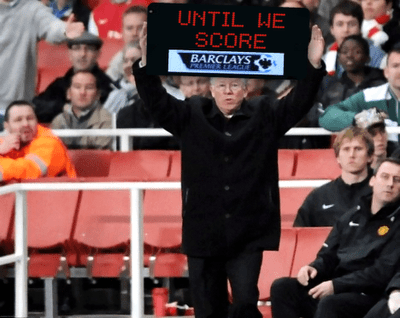
Fergie Time is a football term used to describe the additional time added to the end of a match while Manchester United were under the management of Sir Alex Ferguson, and they would often score crucial goals. 

The routine became particularly prevalent in the football Premier League in the 1990s and early 2000s, with the English top-flight ensemble benefitting from backdating often enough times to overturn defeats entirely.

Fans and pundits routinely observed that Manchester United games always seemed to last a little longer than the clock said it should, particularly when the team was losing or tied. 

Stopping the clock after an hour-long game of running could seem like some compromise on its authenticity. At the same time, referees declare up to 5 minutes to add to account for the sum of interruptions: injuries, substitutions, and collegial retards, while “Fergie Time” creates one feel like the match between Manchester United and its opposition stops for more extended periods and that it was too much an ending. 

These extended matches often resulted in thrilling late comebacks or last-minute wins, further fueling Manchester United’s image as a tenacious, relentless side under Ferguson.

How Long are Football Games for Youth Leagues in the UK?

It differs per age group on how long a football game for youth leagues is in the U.K. U7 and U8: Younger age groups usually have 40-minute long matches split into two halves of 20 minutes each. 

Game durations increase as players get older and firmer. For example, in U11 to U12 games, games are generally 60 minutes long, with two 30-minute halves. Teams at the higher end of the youth age groups, at U15 and U16, usually play over 80 minutes in two 40-minute halves.

 These match lengths are age-appropriate, so children are not overburdened or feel pressured overburdened and can continue to enjoy the game while developing their skills and fitness.

How Long is a 5-A-Side Football Match?

An average 5-a-side football match usually lasts 60 minutes (split into two 30-minute halves), and there will be a brief 5 to 10-minute break at halftime.

This period can be altered slightly depending on the league or tournament, as you will find this time limit to be accurate in most amateur and recreational settings. 

A shorter match length compared to the conventional 11-a-side games corresponds to the size of the pitch and number of players, allowing the constant speed and intensity of the match. 

Some such variations include rolling substitutions, enabling players to be substituted on and off the field while the game is in progress, ensuring a faster and more continuous game, and fly football, consisting of multiple running backs but no passing. 

The short playtime and dynamic nature of 5-a-side football are also reasons that appeal to players who intend to have a brief but intense football experience.

Factors Influencing Game Duration

  • Injuries: Extended stoppages for medical attention can significantly prolong the game.
  • Substitutions: Frequent substitutions can slow the pace, adding time to the match.
  • Time-Wasting: Deliberate tactics like delaying restarts and feigning injuries extend the duration.
  • V.A.R. Checks: Video Assistant Referee interventions for crucial decisions can increase stoppage time.
  • Weather Conditions: Adverse weather, such as heavy rain, may cause interruptions and delays.
  • Fouls and Free Kicks: Frequent fouls lead to more stoppage time being added 

Timeouts, Commercial Breaks, and Challenges

There are also several factors, ranging from the frequency of timeouts and commercial breaks to the challenge system of some football leagues and tournaments, that further pad the overall length. 

This is not usual for traditional football; however, certain friendly games can be used. The restart of play may be delayed by commercial breaks, especially in televised games.

Furthermore, teams can occasionally contest a referee decision, which leads to Video Assistant Referee V.A.R. piling on the added time. 

Such elements are a part of the game designed to make things more exciting and ensure that the game is fair, but they add up to the total time that a game goes on.

Conclusion

How long is a football game?  Runs well over 90 minutes. The overall duration is affected by stoppage time, commercials, V.A.R. reviews, and substitutions that disrupt the play. 

Football itself, with two halves of 45 minutes, always winds up being around that time because it’s strictly monitored with few interruptions to the play itself, a luxury those ancillary realms do not have. 

These types of dynamics allow for the game to be properly competitive and for the viewpoint of the fans to be less potent than the game being played.

Over time, the game has adapted to technological advances, and regulations have changed, which means the exact duration of matches might differ. 

However, the core of what makes football what it is will always be exhilarating, rapid-fire action.

June 2, 2024 0 comments
0 FacebookTwitterPinterestEmail
Newer Posts
Older Posts
  • Facebook
  • Twitter

@2021 - All Right Reserved. Designed and Developed by PenciDesign


Back To Top
Football Transfer News, Scores & Results
  • Home

Shopping Cart

Close

No products in the basket.

Close